
From the flashing lights of Las Vegas casinos to the discreet tap of a smartphone screen placing a bet, gambling’s presence in modern society is undeniable. It’s woven into the fabric of our entertainment, and for some, it represents a thrilling pursuit of fortune. But beneath the surface lies a complex world with nuances that are often overlooked.
Navigating this world requires a clear understanding of its different forms. This guide serves as your expert companion. I’ve spent years immersed in the study of gambling behaviors and its multifaceted nature. This article decodes the three primary types of gambling, offering practical insights along the way.
Why is this distinction important? Because understanding the fundamental differences in these games is the key to responsible engagement. Whether it’s the allure of instant wins or the strategic depth of calculated risks, recognizing these subtle nuances is the first step toward informed choices and the potential to navigate the world of gambling with confidence.
Defining Gambling
Gambling, in its simplest form, is wagering something of value on an event with an uncertain outcome, hoping to win something of greater value. This “something of value” is often money, but it can also be possessions, time, or anything else one deems valuable. The core of gambling lies in this exchange of value based on chance.
Let’s dissect the gambling definition. First, there’s the stake – what you’re putting on the line. Then comes the risk, the possibility of losing that stake. This risk is intrinsically linked to chance, the unpredictable element that determines the outcome. Finally, there’s the potential reward, the reason anyone gambles in the first place – the prospect of winning more than they risked.
It’s important to distinguish gambling from other activities that involve risk. Investing in the stock market, for example, carries risk, but it’s generally based on analysis and projections, not pure chance. While skill can play a role in some forms of gambling, like poker or sports betting, the element of chance is always present and ultimately dictates the outcome. This inherent unpredictability, this reliance on fate, is what truly defines gambling.
The perceived element of chance also impacts the definition of gambling. Even if an event is technically predetermined (e.g., a rigged game), if individuals believe there’s an element of uncertainty and risk their resources on the outcome, it still falls under the umbrella of gambling.
Type 1: Chance-Based Gambling
Chance-based gambling hinges entirely on randomness, where luck dictates the outcome, and players have virtually no influence. It’s the purest form of betting, where the unpredictable nature of events is the core element. Forget strategy or skill; in this realm, it’s all about the spin of the wheel, the draw of a number, or the roll of the dice. The allure lies in the tantalizing possibility of an instant win, a life-changing jackpot fueled by nothing more than sheer fortune.
Think of the lottery, where matching a set of randomly selected numbers can unlock unimaginable wealth. Consider roulette, with its spinning wheel and bouncing ball, where bets are placed on where chance will decide the ball lands. Slot machines, with their flashing lights and vibrant symbols, operate on a random number generator, promising payouts whenever a specific pattern appears and Horse Racing, with different odds of winning for each player, where only luck decides about the winner. Raffles, too, embody chance-based gambling, with tickets offering a shot at winning prizes drawn at random.
The odds in chance-based games are carefully structured, typically favoring who organized it. This “house edge” ensures profitability. While some players might believe in lucky numbers or develop rituals, the reality is that each event is independent and unpredictable. The appeal lies in the risk and reward and the illusion of control. For example, the odds of winning the lottery can be staggeringly low, perhaps one in hundreds of millions. It puts into perspective the true nature of chance. Despite the slim chances, the dream of winning big continues to draw players to the thrilling world of chance-based gambling.
Examples of Chance-Based Gambling
Slot Machines: These games use random number generators (RNGs) to determine the outcome of each spin. The symbols that appear on the reels are entirely random, meaning no skill or strategy can influence the result. The variance in slot machines can range from low to high. Low variance slots offer frequent but smaller payouts, while high variance slots pay out less often but with larger sums. All luck.
Horse Racing: While knowledge of horse racing can inform your bets, the final outcome depends on countless unpredictable factors. The horse’s performance on the day, the jockey’s decisions, and even weather conditions contribute to the randomness. Even the most seasoned bettors cannot guarantee a win, as luck ultimately decides the race. While stats exist, chance are bigger.
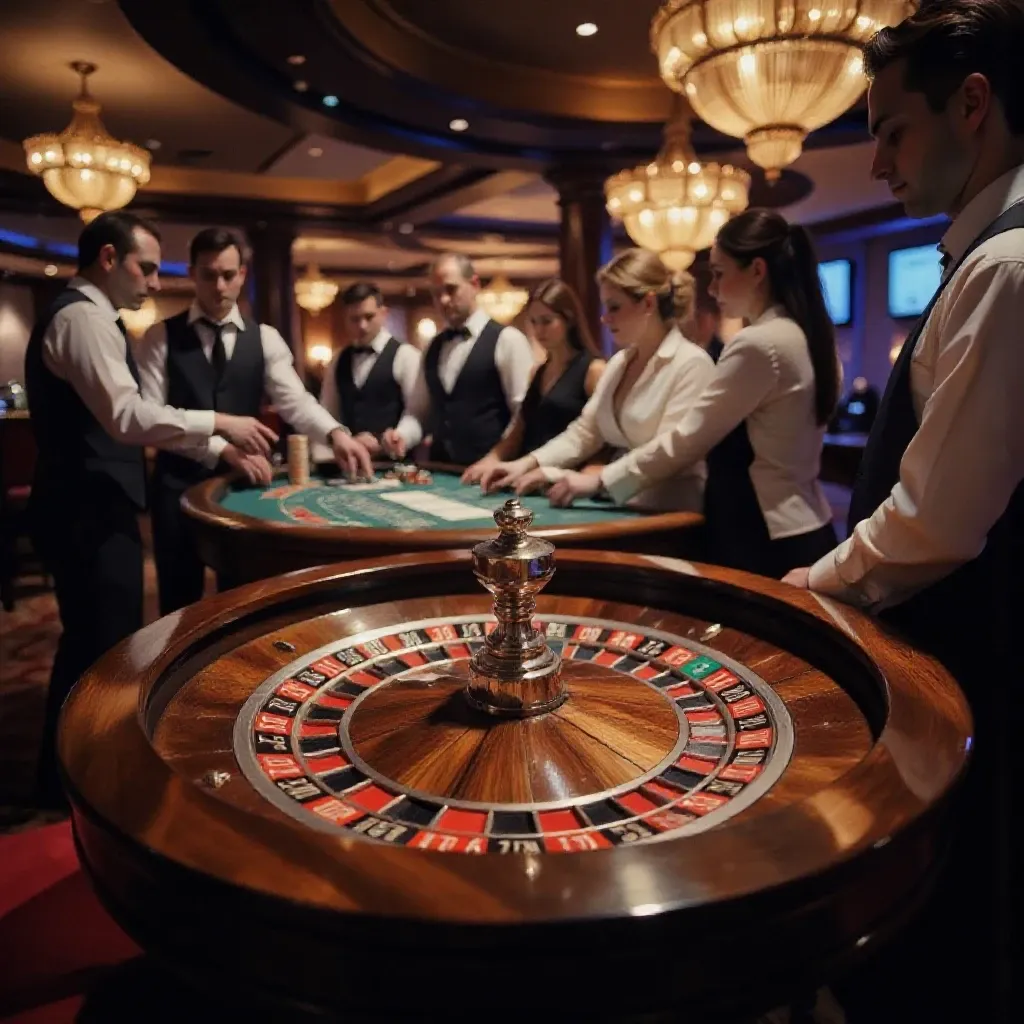
Roulette: A ball is spun around a numbered wheel, and players bet on where it will land. Despite some strategies involving bet sizing or pattern recognition, the outcome of each spin is entirely random. Both European and American roulette offer different odds due to the presence of one or two zero pockets, respectively. But chance is the key one here.
Lotto: Players select a set of numbers, hoping they match those drawn at random. The odds of winning are incredibly low, especially for the jackpot, making it a prime example of a chance-based game. Different lotteries worldwide have varying odds and prize structures. Each play is chance based, without trick.
Type 2: Skill-Based Gambling
Skill-based gambling differentiates itself significantly from games of pure chance. In these activities, a player’s knowledge, strategy, and expertise directly influence the outcome. While luck may still play a role, the ability to analyze situations, make informed decisions, and adapt to changing circumstances becomes paramount. This contrasts sharply with games where the results are entirely random.
Examples of skill-based gambling include poker, sports betting, eSports betting, and even blackjack to a certain extent. In poker, understanding hand rankings, reading opponents, and employing strategic betting are crucial for success. Similarly, in sports betting, knowledge of teams, players, statistics, and game dynamics allows for more informed wagers. eSports betting mirrors this, requiring familiarity with game mechanics, team strategies, and player performance. Blackjack, while containing an element of chance, also involves strategic decision-making based on card counting and probability.
The learning curve in skill-based gambling is steep. Success requires consistent effort, dedicated study, and a willingness to learn from both wins and losses. Strategy and analysis are not optional; they are the bedrock of a winning approach. Consider a high-profile poker player: their success isn’t solely based on luck, but on years of experience, a deep understanding of game theory, and the ability to exploit opponents’ weaknesses. They study their opponents, analyze their own play, and constantly refine their strategies to maintain a competitive edge. Skill-based gambling is a test of intellect and discipline, where the informed and strategic player has a clear advantage.
Strategies to Improve Your Skill
Succeeding in skill-based gambling necessitates a deeper understanding and a commitment to continuous improvement. Sports analysis, for example, goes beyond simply knowing which team is popular; it involves scrutinizing past performance, injury reports, weather conditions, and a multitude of other factors. Similarly, game analysis in eSports requires a thorough knowledge of game mechanics, character matchups, and team compositions. Understanding mathematical probability is also essential for assessing risk and reward in various betting scenarios.
For poker, mastering different poker strategies, such as tight-aggressive play or loose-aggressive play, and adapting them to different table dynamics is vital. The key is to treat skill-based gambling not as a game of chance, but as a field of study, where continuous learning and refinement are essential for long-term success. The more you know, the better your odds become.
Type 3: Mixed Gambling – Where Chance and Skill Collide
Mixed gambling sits in an intriguing middle ground, a space where both chance and skill wrestle for dominance in determining the outcome. Unlike pure chance games (like lotteries) or pure skill games (like chess), mixed gambling activities require participants to leverage their knowledge and abilities, but acknowledge that luck inevitably plays a role.
Examples of the Dance Between Chance and Skill
Perhaps the most classic example of mixed gambling is horse racing. While a bettor might meticulously analyze a horse’s past performance, track conditions, and the jockey’s record – all demonstrations of skill – the unpredictable nature of a live race introduces considerable chance. A horse could stumble, a jockey could make a tactical error, or unforeseen weather could dramatically alter the playing field. The skilled bettor attempts to mitigate risk and improve their odds, but can never eliminate the element of luck.
Daily Fantasy Sports (DFS) also fall squarely into this category. Participants use skill to assemble teams of athletes, considering factors like player statistics, matchups, and potential for performance. However, the actual performance of those athletes on a given day is subject to chance. An unexpected injury, a bad call by a referee, or simply an off day for a star player can derail even the most skillfully constructed DFS roster. The blend of research, analysis, and real-world unpredictability defines DFS as mixed gambling.
Even some casino games, like video poker, incorporate elements of both chance and skill. While the initial hand dealt is entirely random, players then make strategic decisions about which cards to hold and discard. A skilled player who understands the odds and probabilities associated with different hands can significantly improve their chances of winning compared to a novice who plays purely on intuition. However, the luck of the draw remains a critical factor.
Analyzing the Balance: Statistical Approaches
To gain a general understanding of mixed gambling, statistical approaches can be invaluable. In horse racing, analyzing historical data helps reveal performance trends, providing insights beyond simple guesswork. Similarly, in DFS, advanced statistical models can help project player performance, giving users an edge in team selection. However, it’s important to remember that these models are only predictive tools, not guarantees of success. They should not be used as the only guidance. They can’t eliminate luck entirely, and the inherent randomness of sports or races means that even the best predictions can be overturned by unforeseen events. Ultimately, mixed gambling requires a balanced approach – one that respects the power of both skill and chance, and acknowledges that neither can be entirely controlled.

Responsible Gambling Practices
Engaging in gambling activities, whether online or in person, should always be approached with caution and a commitment to responsible practices. The allure of potential winnings can sometimes overshadow the inherent risks involved, leading to problem gambling. Understanding these risks and implementing strategies to mitigate them is crucial for maintaining a healthy and balanced lifestyle.
Tips for Responsible Gambling:
- Set Limits: Before you start, decide on a budget and stick to it. This includes both time and money. Once you’ve reached your limit, stop playing, regardless of whether you are winning or losing.
- Understand the Odds: Gambling is a game of chance. There are no guaranteed wins, and understanding the probabilities involved can help manage expectations. Remember that the house always has an edge.
- Recognize the Signs of Problem Gambling: Be aware of the warning signs, such as chasing losses, gambling with money needed for essential expenses, lying about gambling habits, or feeling anxious or irritable when not gambling.
- Self-Exclusion Programs: Many casinos and online gambling platforms offer self-exclusion programs that allow individuals to ban themselves from their services. This can be a helpful tool for those struggling to control their gambling.
- Seek Support: If you think you might have a gambling problem, don’t hesitate to seek help. There are many resources available to provide support and guidance.
Resources for Help:
If you or someone you know is struggling with gambling-related problems, resources are available to help. These organizations offer confidential support and guidance:
- National Problem Gambling Helpline: Provides confidential support and resources.
- Gamblers Anonymous: A fellowship of people who share their experiences to help solve their common problem and help others recover from a gambling problem.
Remember, gambling should be a form of entertainment, not a source of stress or financial hardship. By practicing responsible gambling habits and seeking help when needed, you can enjoy the thrill of the game without compromising your well-being.
Conclusion
Navigating the world of gambling requires an understanding of its diverse forms. Whether it’s the pure chance of a lottery, the strategic skill in poker, or the blend of both in sports betting, each type presents unique challenges and opportunities. Recognizing these differences is not just about knowing the game; it’s about approaching gambling with informed awareness.
This article has explored three main categories: chance-based gambling, where luck reigns supreme; skill-based gambling, where expertise can influence outcomes; and mixed gambling, which combines elements of both. By understanding these distinctions, individuals can better assess their own strengths and weaknesses, set realistic expectations, and make more informed decisions.
However, knowledge alone is not enough. Responsible gambling is paramount. It involves setting limits, understanding the odds, recognizing the signs of problem gambling, and seeking help when needed. Gambling should be viewed as a form of entertainment, not a source of income or a solution to financial problems.
Understanding the different types of gambling is the first step towards responsible engagement. By acknowledging the role of chance, skill, and the potential risks involved, individuals can approach gambling with greater control and awareness, ensuring that it remains a safe and enjoyable activity.